


Renewable Energy Systems for Homes in 2026

Renewable Energy Systems for Homes in 2026: The Future of Smart, Sustainable Living
As we move through 2026, the way homes produce and use energy has changed dramatically. Rising energy costs, stricter environmental regulations, and growing awareness of climate impact have pushed homeowners to look beyond traditional gas and grid-based electricity. The result is a strong shift towards Renewable Energy Systems that offer efficiency, flexibility, and long-term savings.
Rather than installing single technologies in isolation, modern households are investing in fully integrated renewable solutions. These systems combine solar panels, battery storage, heat pumps, and EV charger installations into one intelligent energy network, designed to work together seamlessly.
What Are Renewable Energy Systems?
Renewable Energy Systems are designed to generate, store, and manage clean energy at home using renewable sources such as solar power and ambient heat. Instead of relying almost entirely on the national grid, homeowners can now produce much of their own electricity and heating energy on-site.
A complete home renewable setup typically includes:
- Solar panels for electricity generation
- Battery storage for energy retention
- Heat pumps for low-carbon heating and hot water
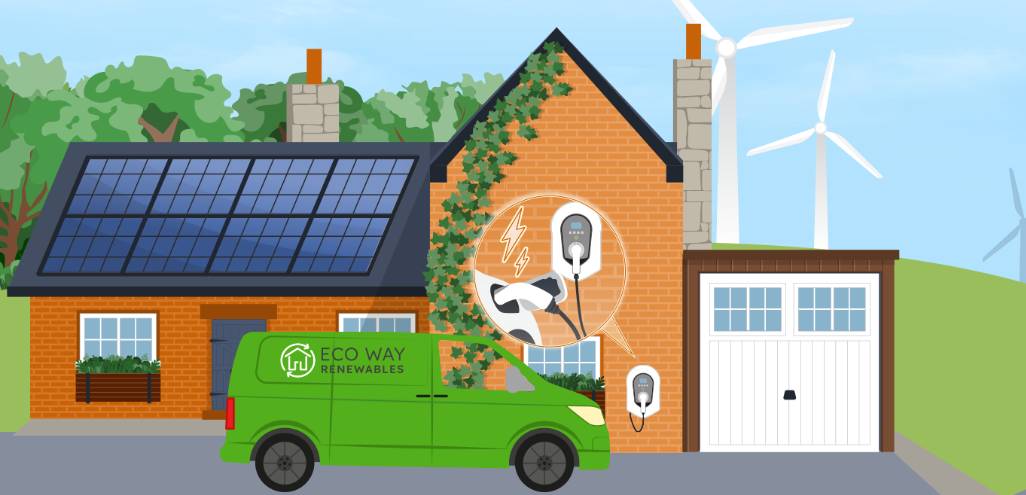
- EV charger installations connected to renewable power
When these components are planned and installed as one system, energy efficiency improves significantly and running costs are reduced.
Why Renewable Energy Systems Are the Standard in 2026
In 2026, Renewable Energy Systems are no longer considered optional upgrades. They are fast becoming the standard for new builds and home renovations alike.
Several factors are driving this shift:
- Higher grid electricity prices
- Reduced dependence on fossil fuels
- Improved renewable technology performance
- Increased demand for energy-efficient homes
- Government pressure to lower household emissions
Homeowners now want control over how and when their energy is used, and renewable systems provide exactly that.
Solar Panels: The Starting Point for Renewable Energy
Solar panels form the foundation of most Renewable Energy Systems. Advances in panel technology mean modern systems are more efficient, durable, and capable of generating power even in lower-light conditions.
In a connected home energy setup, solar panels:
- Supply electricity to household appliances
- Power heat pumps during the day
- Charge battery storage systems
- Provide renewable energy for EV charging
Rather than exporting surplus electricity back to the grid at low rates, homeowners are increasingly focused on self-consumption, using as much solar power as possible within the home.

Battery Storage: Unlocking the Full Value of Solar
Battery storage is what transforms solar panels from a daytime-only solution into a true all-day energy system. Excess energy generated during daylight hours is stored and then used later when demand is higher.
In modern Renewable Energy Systems, battery storage allows homeowners to:
- Use solar energy in the evening and overnight
- Reduce reliance on peak-time grid electricity
- Improve energy resilience during outages
- Optimise EV charging and heating schedules
Smart batteries in 2026 automatically respond to household demand, weather forecasts, and energy prices to maximise savings.
Heat Pumps as Part of an Integrated Energy System
Heat pumps have become a cornerstone of low-carbon home heating. Instead of burning gas or oil, they extract heat from the air or ground and convert it into usable warmth.
When integrated into Renewable Energy Systems, heat pumps:
- Operate using electricity generated by solar panels
- Achieve lower running costs with battery support
- Produce significantly fewer emissions than gas boilers
- Provide efficient heating and hot water year-round
By pairing heat pumps with solar and battery storage, homeowners can heat their properties using mostly self-generated renewable electricity.

EV Charger Installations Powered by Solar Energy
With electric vehicles now firmly established, EV charger installations are a natural extension of home renewable setups. However, the real advantage comes when chargers are directly connected to solar panels and batteries.
In 2026, smart EV chargers can:
- Prioritise charging when solar generation is highest
- Automatically pause charging when demand increases elsewhere
- Draw power from battery storage overnight
- Minimise the need for grid electricity
When combined with Renewable Energy Systems, EV charging becomes cleaner, cheaper, and far more efficient.
The Importance of Integration
The biggest advantage of Renewable Energy Systems is not any single component, but how everything works together. Integration allows energy to flow intelligently between generation, storage, heating, and transport.
An integrated system can:
- Automatically choose the most cost-effective energy source
- Reduce wasted solar generation
- Balance household electricity demand
- Lower overall energy bills
Homes with well-designed renewable integration are also more attractive on the property market, as buyers increasingly look for energy-efficient homes.
Financial and Environmental Benefits
Installing Renewable Energy Systems delivers both immediate and long-term benefits. While upfront costs exist, returns are seen through reduced bills, increased efficiency, and higher property value.
Key benefits include:
- Lower monthly energy costs
- Reduced exposure to energy price volatility
- Lower household carbon emissions
- Improved EPC ratings
- Future-proof compliance with regulations
As grid energy prices continue to fluctuate, renewable systems offer stability and predictability.
Renewable Energy Systems and the Future Home
Looking ahead, Renewable Energy Systems will play a major role in shaping how homes operate. Smart controls, AI-driven energy management, and grid interaction will further enhance performance.
In the near future, homeowners can expect:
- Smarter energy automation
- Greater battery capacities
- Improved heat pump efficiency
- More advanced solar forecasting
- Fully optimised EV charging
Homes will increasingly function as self-managed energy hubs, reducing strain on national infrastructure.
Conclusion
Renewable Energy Systems are redefining home energy in 2026. By combining solar panels, battery storage, heat pumps, and EV charger installations into one intelligent solution, homeowners gain control, efficiency, and sustainability.
Rather than investing in individual technologies, the smart choice is a fully integrated renewable setup that works as a single system. As energy demands evolve, Renewable Energy Systems offer a cleaner, more cost-effective, and future-ready way to power modern homes.
Ready to take control of your home energy and start saving?
Contact us today to see how we can help you with Renewable Energy Systems.